
- Home
- Retaining Walls
Retaining Walls
Custom Outdoor Designs That Reflect Your Vision
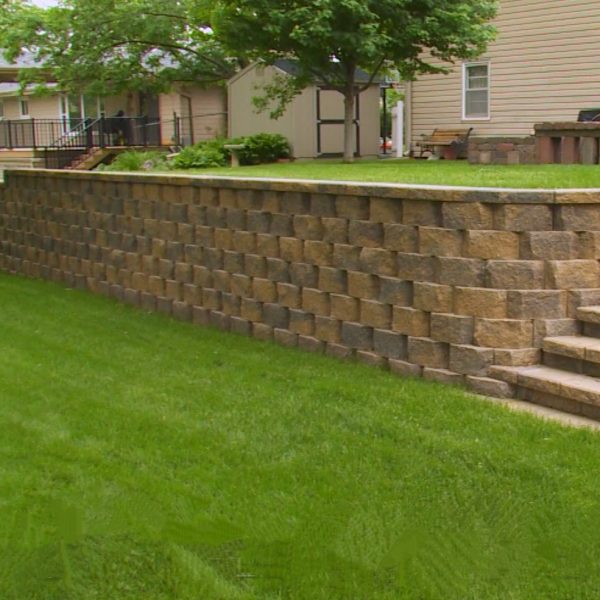
Retaining Walls
Transform Your Landscape: The Ultimate Guide to Retaining Walls in Auckland & Hamilton by Southern Bloom Landscaping
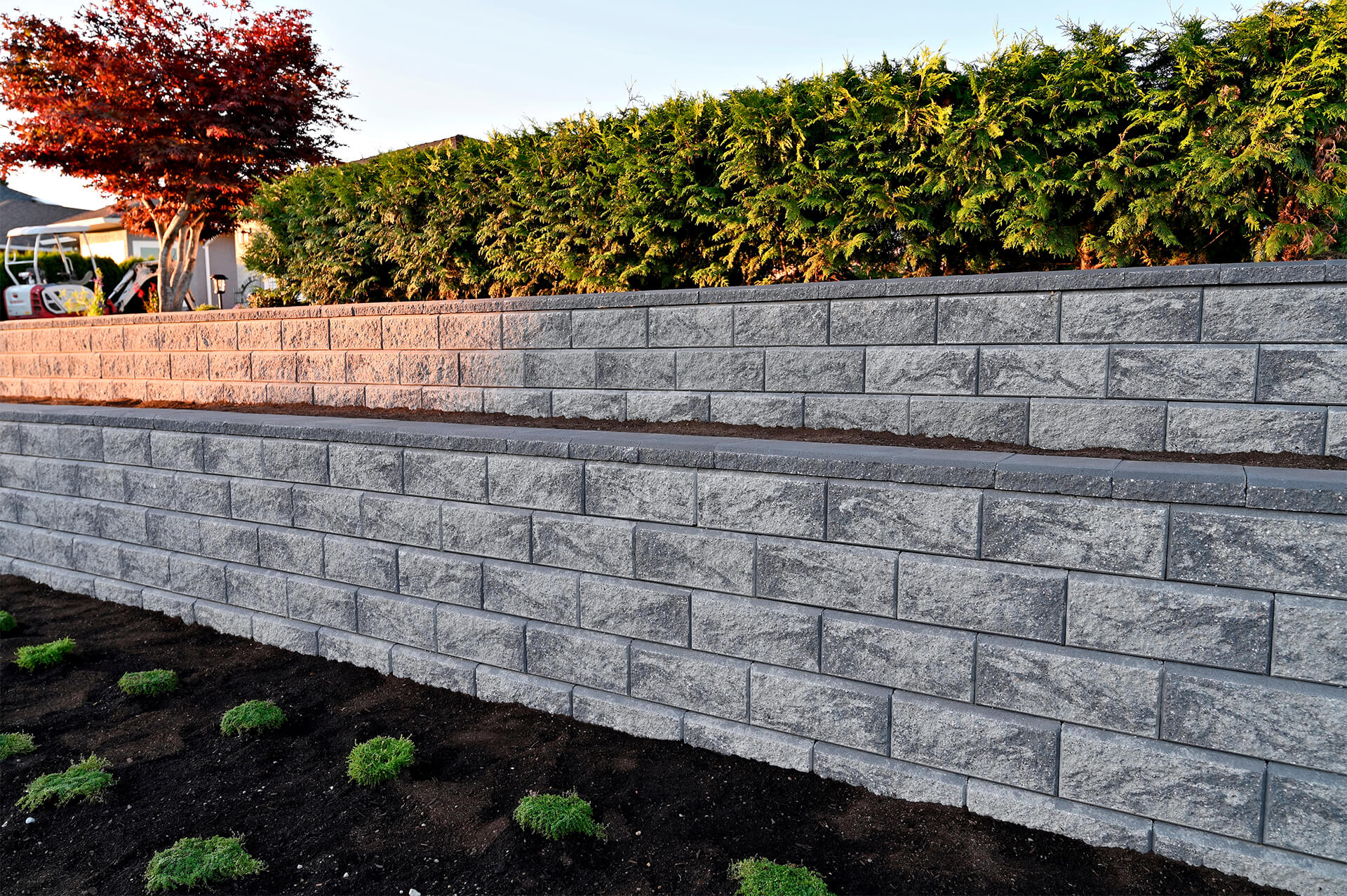
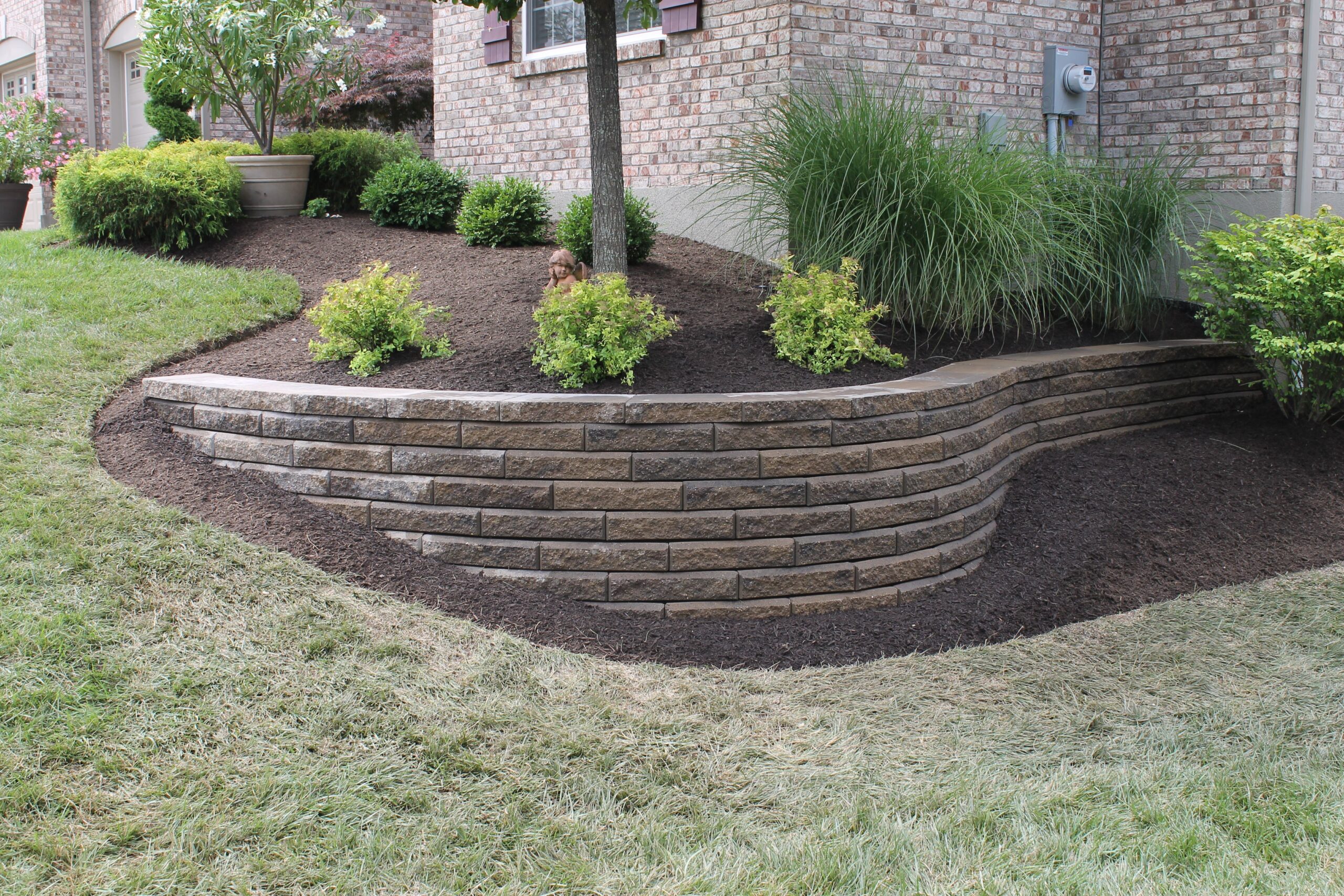
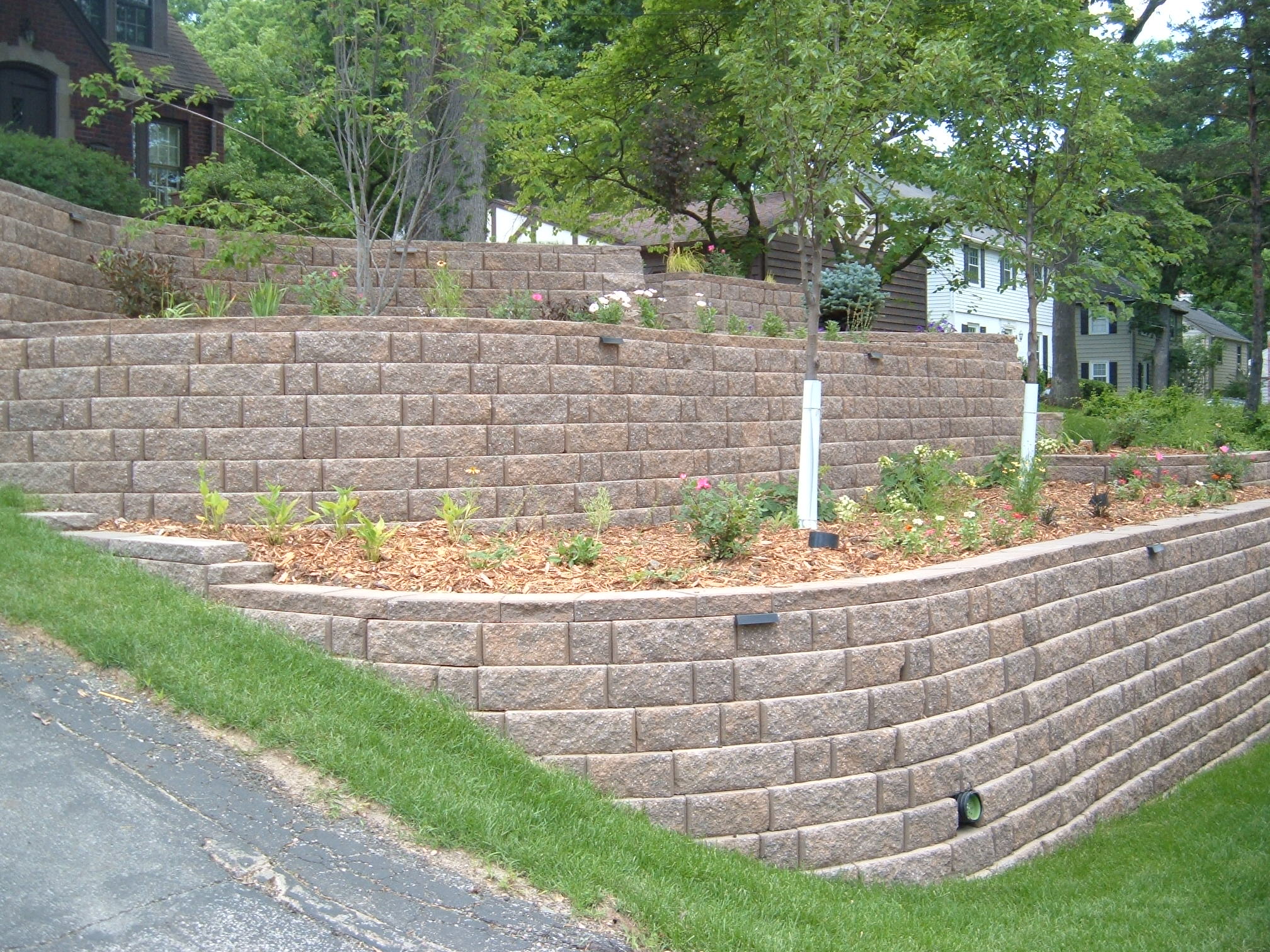
Description
Are you ready to elevate your outdoor space in Auckland & Hamilton? Retaining walls are not just functional; they can transform the aesthetic of your landscape, adding structure and beauty to your property. Whether you’re managing slope gradients, preventing soil erosion, or simply looking to enhance your garden’s curb appeal, this comprehensive guide by Southern Bloom Landscaping will walk you through everything you need to know. From selecting the right materials to exploring innovative design options, our goal is to help you create a stunning and resilient landscape that reflects your personal style. Join us as we delve into the art and science of retaining walls, ensuring your outdoor oasis not only stands the test of time but also serves as a stunning centerpiece for your home. Get ready to dig deep into the world of landscaping and discover how retaining walls can redefine your environment!
Our Process
-
Consultation
We start by understanding your vision, needs, and property layout.
-
Design Development
Our designers craft a customized plan with your input, ensuring every detail fits your lifestyle.
-
Review & Revisions
You’ll review concept drawings and provide feedback until it’s just right.
-
Final Plan Delivery
Once approved, we provide a final landscape design ready for implementation.
Service Include
Our Services Include a Full Range of Expert Solutions to Elevate Your Outdoor Space.
Get Quote
Importance of Retaining Walls in Landscaping
Retaining walls play a crucial role in landscaping, especially when it comes to managing and optimizing the terrain of your property. In areas like Auckland & Hamilton, where the landscape can vary significantly, these structures are essential for preventing soil erosion and managing water runoff. By creating a physical barrier, retaining walls hold soil in place, thereby reducing the risk of landslides and soil displacement. This not only ensures the stability of your property but also helps in maintaining the integrity of your landscape design.
Moreover, retaining walls add a layer of functionality and visual appeal to your outdoor space. They can be used to create terraced gardens, which allow for the cultivation of a variety of plants at different levels. This multi-tiered approach not only maximizes the use of space but also adds depth and texture to your garden. The visual interest generated by these varying heights can transform a flat, monotonous yard into a dynamic and engaging landscape.
In addition to their practical benefits, retaining walls serve as a design element that can enhance the overall aesthetic of your property. They can be constructed using various materials, each offering unique textures and colors that can complement your home and landscape. Whether you prefer the rustic charm of natural stone, the sleek look of concrete blocks, or the traditional appeal of brick, retaining walls provide a versatile solution to elevate your garden’s appearance.
Types of Retaining Walls: A Comprehensive Overview
When it comes to retaining walls, there are several types to consider, each with its own set of characteristics and applications. Understanding these different types is essential for selecting the right one for your landscape needs. The most common types of retaining walls include gravity walls, cantilevered walls, sheet piling walls, and anchored walls.
Gravity walls rely on their own weight to hold back the soil. These walls are usually made from heavy materials such as stone, concrete, or brick. The mass of the wall provides stability and prevents soil movement. Gravity walls are ideal for smaller projects and areas with moderate slopes. They are relatively simple to construct and can be designed to blend seamlessly with the surrounding landscape.
Cantilevered walls, on the other hand, use a structural system that leverages the weight of the backfill soil to provide stability. These walls consist of a thin stem and a base slab, both made of reinforced concrete. The base slab extends under the soil, forming a lever arm that helps counteract the soil pressure. Cantilevered walls are suitable for taller structures and can handle significant loads, making them ideal for larger projects or areas with steep slopes.
Sheet piling walls are constructed using thin, interlocking sheets of steel, vinyl, or wood driven into the ground. These walls are often used in areas with soft, loose soils where other types of retaining walls might not be feasible. Sheet piling walls are quick to install and provide an effective solution for temporary or permanent applications. Anchored walls, meanwhile, incorporate cables or rods anchored into the soil or rock behind the wall, providing additional support. These walls are typically used for high-load applications and can be combined with other wall types for enhanced stability.
Benefits of Installing Retaining Walls in Auckland & Hamilton
Installing retaining walls in Auckland & Hamilton offers numerous benefits that extend beyond mere functionality. One of the primary advantages is the prevention of soil erosion, which is particularly important in areas with variable terrain. By holding soil in place, retaining walls protect your property from the damaging effects of erosion, ensuring that your landscape remains intact and your garden beds stay fertile and productive.
Another significant benefit is the ability to manage water runoff effectively. Retaining walls can be designed with integrated drainage systems that direct water away from your property, reducing the risk of flooding and water damage. This is especially beneficial in Auckland & Hamilton, where heavy rainfall can pose a challenge. By controlling water flow, retaining walls help maintain the health of your plants and prevent the formation of unsightly puddles and mud patches.
In addition to their practical advantages, retaining walls also add value to your property. A well-designed and expertly constructed retaining wall can enhance the curb appeal of your home, making it more attractive to potential buyers. The visual interest and structural integrity provided by these walls can set your property apart from others in the neighborhood, potentially increasing its market value. Furthermore, retaining walls can create additional usable space, such as terraces or seating areas, further enhancing the functionality and enjoyment of your outdoor space.
Key Factors to Consider Before Building a Retaining Wall
Before embarking on the construction of a retaining wall, there are several key factors to consider to ensure the success and longevity of your project. One of the most important considerations is the purpose of the wall. Understanding the primary function of the retaining wall—whether it is to manage slope stability, prevent soil erosion, create level areas, or enhance aesthetics—will guide your design and material choices.
Another crucial factor is the soil type and condition of your property. Different soil types have varying levels of stability and drainage capabilities, which can impact the design and construction of the retaining wall. Conducting a soil analysis will provide valuable insights into the soil’s characteristics, allowing you to select the appropriate wall type and construction techniques. Additionally, understanding the soil’s bearing capacity is essential for ensuring the wall’s structural integrity.
The height and length of the retaining wall are also important considerations. Taller walls require more robust construction techniques and materials to withstand the increased pressure from the soil. In some cases, local building codes may mandate specific design requirements for retaining walls above a certain height. It is essential to check with local authorities and obtain any necessary permits before starting construction. Additionally, the length of the wall will influence the overall cost and complexity of the project, so careful planning and budgeting are essential.
Materials Used for Retaining Walls: Pros and Cons
The choice of materials for your retaining wall will significantly impact its appearance, durability, and cost. Each material offers unique advantages and disadvantages, so it is essential to consider these factors when making your selection. Common materials used for retaining walls include natural stone, concrete blocks, brick, timber, and gabion baskets.
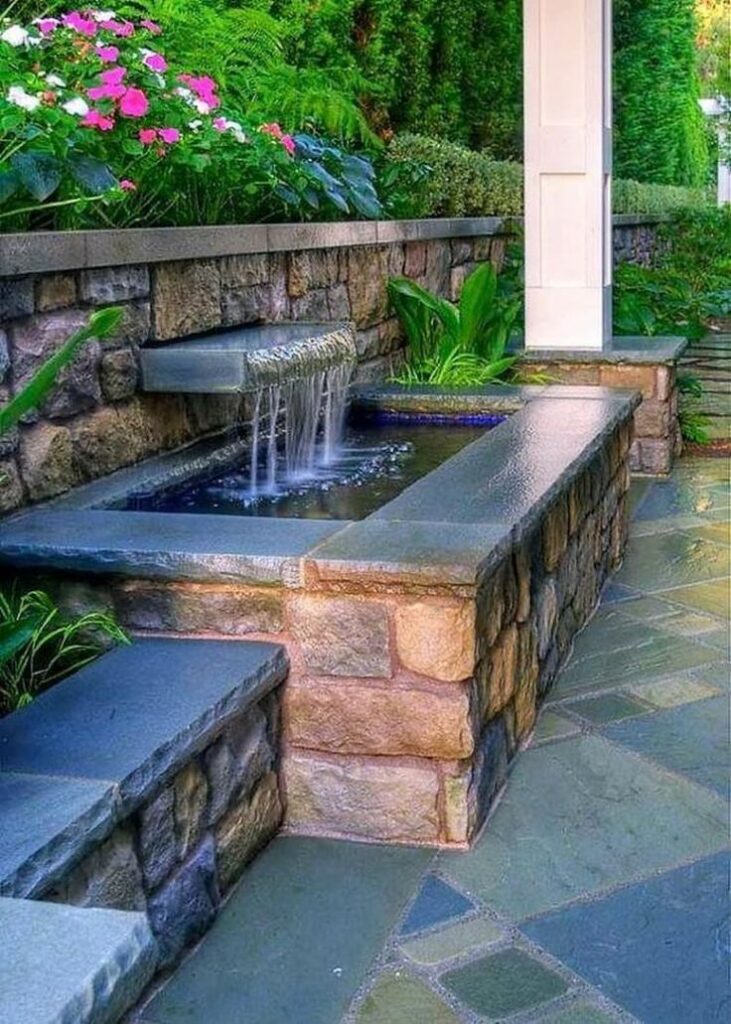
Natural stone is a popular choice for its timeless beauty and durability. Stone walls blend seamlessly with natural landscapes and provide a rustic, elegant look. However, natural stone can be expensive and labor-intensive to install, especially if the stones need to be cut to size. Additionally, stone walls require a solid foundation to prevent shifting and settling over time.
Concrete blocks are another widely used material for retaining walls. They offer excellent strength and stability, making them suitable for both small and large projects. Concrete blocks come in various shapes and sizes, allowing for versatile design options. They are also relatively easy to install, especially with interlocking systems that enhance stability. However, concrete blocks may lack the natural aesthetic of stone and can be prone to cracking if not properly reinforced.
Brick retaining walls provide a classic and traditional look that complements many architectural styles. Bricks are durable and weather-resistant, making them a long-lasting choice for retaining walls. They are also available in a variety of colors and finishes, allowing for customization. However, brick walls require skilled labor to ensure proper alignment and stability. Additionally, the cost of bricks and the labor-intensive installation process can make them a more expensive option.
Timber retaining walls offer a natural and cost-effective solution, especially for smaller projects. Treated timber is resistant to rot and insects, ensuring longevity. Timber walls are relatively easy to install and can be customized to fit various design preferences. However, timber may not be suitable for taller or high-load walls, as it lacks the strength and durability of stone or concrete. Additionally, timber walls require regular maintenance to prevent deterioration over time.
Gabion baskets, made of wire mesh filled with rocks or stones, provide a unique and modern look for retaining walls. Gabion walls are highly durable and can withstand significant pressure from soil and water. They also offer excellent drainage, reducing the risk of water buildup behind the wall. Gabion walls are relatively easy to install and can be customized to fit various design preferences. However, the wire mesh may be prone to rusting over time, and the installation process can be labor-intensive.
The Retaining Wall Construction Process
Building a retaining wall involves several critical steps to ensure its stability and longevity. The first step in the construction process is planning and design. This includes determining the purpose of the wall, selecting the appropriate materials, and obtaining any necessary permits. A detailed design plan will help guide the construction process and ensure that the wall meets your aesthetic and functional requirements.
The next step is site preparation. This involves clearing the area of any vegetation, debris, or existing structures that may interfere with the construction process. The site should be graded to ensure a level base for the wall. Depending on the soil type and wall height, you may need to excavate a trench for the foundation. The depth and width of the trench will vary based on the wall’s design and the load it needs to support.
Once the site is prepared, the foundation is constructed. For most retaining walls, a solid foundation is essential for stability. This may involve laying a base of compacted gravel or concrete to provide a stable surface for the wall. The foundation should be level and properly compacted to prevent settling over time. For taller or more complex walls, additional reinforcement, such as rebar or geogrid, may be required to provide additional stability.
With the foundation in place, the next step is constructing the wall itself. This involves laying the wall materials—whether stone, concrete blocks, brick, timber, or gabion baskets—according to the design plan. Each layer should be leveled and properly aligned to ensure stability. For interlocking systems, following the manufacturer’s instructions is crucial for proper installation. As the wall is built, backfill material, such as gravel or soil, is added behind the wall to provide support and promote drainage.
The final step in the construction process is finishing and landscaping. This includes adding any necessary drainage systems, such as weep holes or perforated pipes, to direct water away from the wall. The top of the wall can be finished with a capstone or other decorative elements to enhance its appearance. Once the wall is complete, the surrounding area can be landscaped to blend seamlessly with the rest of your property. This may involve planting vegetation, installing pathways, or adding other landscaping features to create a cohesive and attractive outdoor space.
Maintenance Tips for Longevity of Retaining Walls
Proper maintenance is essential for ensuring the longevity and performance of your retaining wall. Regular inspections are the first step in maintaining your wall. Check for any signs of damage, such as cracks, bulges, or shifting, and address any issues promptly to prevent further deterioration. Monitoring the wall’s condition will help you identify and resolve problems before they become significant and costly repairs.
One of the most important aspects of retaining wall maintenance is managing water drainage. Ensure that the drainage systems, such as weep holes or perforated pipes, are functioning correctly and not blocked by debris. Proper drainage will prevent water buildup behind the wall, which can lead to increased pressure and potential failure. Additionally, redirecting surface water away from the wall using gutters, downspouts, or grading will help reduce the risk of water-related issues.
Vegetation management is also crucial for maintaining your retaining wall. While plants can enhance the aesthetic appeal of the wall, their roots can cause damage if not properly managed. Avoid planting large trees or shrubs too close to the wall, as their roots can exert pressure and cause shifting or cracking. Instead, opt for smaller plants with shallow root systems that will not compromise the wall’s stability. Regularly trim and maintain the vegetation to prevent overgrowth and root intrusion.
Common Mistakes to Avoid When Building Retaining Walls
Building a retaining wall can be a complex project, and there are several common mistakes that can compromise its stability and longevity. One of the most frequent errors is inadequate planning and design. Failing to consider factors such as soil type, wall height, and drainage can lead to structural issues and potential failure. Taking the time to conduct a thorough site analysis and create a detailed design plan will help ensure the success of your project.
Another common mistake is using the wrong materials or construction techniques. Each type of retaining wall requires specific materials and methods to ensure stability. Using substandard materials or improper construction techniques can result in a weak and unstable wall. It is essential to select the appropriate materials for your wall type and follow best practices for construction to ensure a durable and long-lasting structure.
Improper drainage is another critical mistake to avoid. Water buildup behind the wall can increase pressure and lead to failure. Ensuring that the wall is designed with adequate drainage systems, such as weep holes or perforated pipes, is essential for preventing water-related issues. Additionally, grading the surrounding area to direct surface water away from the wall will help reduce the risk of water damage.
Finally, neglecting regular maintenance can compromise the longevity of your retaining wall. Failing to inspect the wall for signs of damage or neglecting drainage and vegetation management can lead to structural issues over time. Implementing a regular maintenance schedule and addressing any problems promptly will help ensure that your retaining wall remains stable and functional for years to come.
Conclusion: Elevate Your Landscape with Retaining Walls
Retaining walls are a powerful tool for transforming your landscape, offering both functional and aesthetic benefits. By understanding the importance of these structures, exploring the various types and materials, and considering key factors before construction, you can create a retaining wall that enhances the beauty and stability of your outdoor space. Proper construction techniques and regular maintenance will ensure the longevity and performance of your wall, allowing you to enjoy its benefits for years to come.
Whether you are looking to prevent soil erosion, manage water runoff, create level garden beds, or simply enhance the visual appeal of your property, retaining walls provide a versatile and effective solution. With the right planning, design, and construction, a retaining wall can become a stunning centerpiece of your landscape, adding value and functionality to your home. Southern Bloom Landscaping is here to help you navigate the process, providing expert guidance and quality craftsmanship to bring your vision to life.
So, if you’re ready to elevate your landscape in Auckland & Hamilton, consider the many advantages of installing a retaining wall. From the initial planning stages to the final touches, every step of the process offers an opportunity to create a resilient and beautiful outdoor space that reflects your personal style. Embrace the art and science of retaining walls, and discover how these structures can redefine your environment, creating a lasting legacy for your home and garden.
Testimonial
What They Say
From design to installation, every detail was handled with care. The team was professional, friendly, and truly listened to our vision. We couldn't be happier with the results!


Hire Us
Ready to transform your outdoor space?
Contact us today for a free consultation and let’s start growing your dream landscape!